A Comprehensive Guide to Dog Training: Tips and Tricks for Every Dog Proprietor
Reliable dog training is essential for cultivating a healthy connection between owner and pet dog (Dog Trainer Near Me). Comprehending canine behavior can greatly improve communication. Standard commands supply a structure for safety and obedience. Positive reinforcement urges preferable actions, while dealing with behavioral concerns is vital to a harmonious home. With the right techniques, any type of owner can reinforce their bond with their dog. However, the journey of training is much more nuanced than it shows up. What exists in advance may surprise several owners
Understanding Your Dog's Actions
Recognizing a dog's habits is essential for efficient training and promoting a strong bond in between the pet and owner. Dogs connect with body movement, vocalizations, and actions, which can disclose their moods and demands. A wagging tail may indicate excitement, while pinned ears could recommend anxiety or entry. Acknowledging these signals permits owners to respond properly, developing a relying on connection. Furthermore, understanding the factors behind certain behaviors, such as excavating or barking, can assist owners deal with prospective issues proactively. Socializing also plays an essential role; subjecting canines to numerous settings and other pets can influence their habits positively. Inevitably, being attuned to a dog's habits boosts the training process and deepens the connection between the dog and its proprietor.
Standard Commands Every Dog Must Know
Educating a dog to comply with standard commands is a basic aspect of liable pet possession that directly affects a dog's habits and the proprietor's capacity to connect successfully. Important commands consist of "rest," "remain," "come," "down," and "leave it." These commands establish limits and boost safety in various scenarios. "Sit" and "down" promote calmness, while "remain" aids keep the dog in location, guaranteeing it does not roam into risk. "Come" is vital for recall, particularly in open locations. Lastly, "leave it" shows pet dogs to overlook disturbances or possibly damaging products. Understanding these commands not only reinforces the bond between dog and owner however also adds to a mannerly family pet that can browse various settings with confidence.
Positive Reinforcement Methods
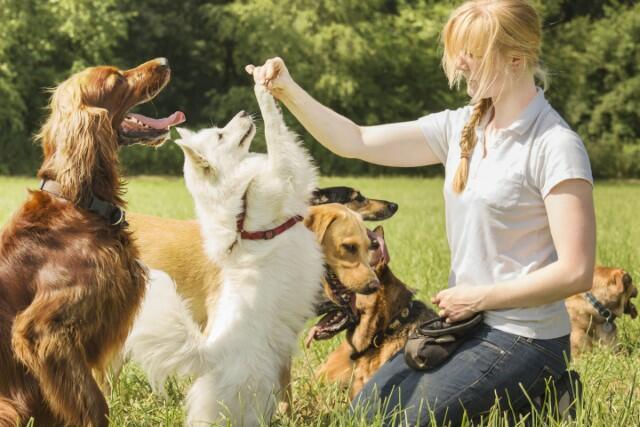
Positive support methods effectively motivate desired habits in dogs by compensating them for conformity. This technique involves offering benefits such as deals with, appreciation, or play quickly after a dog executes a wanted action. Timing is crucial; incentives should be provided immediately to create a clear association between the habits and the incentive. Consistency is also important; using the same commands and benefits assists strengthen discovering. Progressively, proprietors can phase out deals with, depending a lot more on spoken appreciation or affection as the dog becomes familiar with the habits. This technique promotes a positive partnership in between the dog and owner, making training a collaborative process. Ultimately, favorable reinforcement not just instructs commands however likewise builds trust and encourages a happy, well-adjusted pet.
Attending To Common Behavioral Issues
Addressing typical behavior problems in dogs calls for a keen observation of their actions and activates. Numerous proprietors face difficulties such as extreme barking, chewing, or hostility. Determining the origin is vital; for instance, barking train dog not to bark at noises might originate from monotony or anxiousness. Implementing constant training routines can assist mitigate these actions. Positive support strategies, such as satisfying desired actions, urge dogs to take on better behaviors. In addition, supplying mental excitement via playthings or interactive video games can ease damaging tendencies. Socialization is one more important element; subjecting pets to other pets and different settings can lower fear-based aggressiveness. Eventually, persistence and persistence are type in guiding canines toward better habits, cultivating an unified living setting for both family pets and their proprietors.
Constructing a Strong Bond With Educating
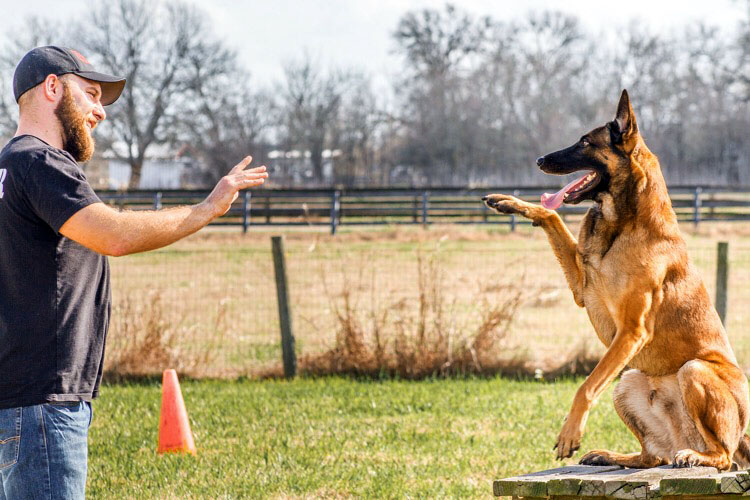
While many dog owners concentrate on fixing behavior problems, they might overlook the relevance of developing a strong bond via training. Establishing depend on and interaction is crucial for an effective relationship between a dog and its proprietor. Regular training sessions not only show commands yet also strengthen the connection in between them. Positive support strategies, such as deals with and praise, encourage canines to engage and react, growing their bond. Participating in tasks like agility training or obedience courses can additionally boost shared satisfaction and understanding. Furthermore, investing top quality time with each other during training fosters commitment and reduces anxiousness. Eventually, a solid bond developed via training leads to a mannerly dog and a satisfied owner, producing a harmonious living atmosphere.
Frequently Asked Inquiries
How much time Does It Require To Train a Pet?
Training a dog generally takes several weeks to months, relying on the dog's age, type, and the complexity of the commands. Dog Training Santa Rosa Beach. Consistency, perseverance, and favorable reinforcement play essential roles in the training process
Can Older Pets Learn New Tricks?
What Should I Do if My Dog Rejects to Follow?
If a dog rejects to follow, the proprietor needs to continue to be calm, evaluate prospective distractions, and enhance commands with favorable reinforcement. Consistency in training and persistence are necessary to rebuild the dog's determination to react.
Is Group Training Better Than Individual Sessions?
Just How Can I Mingle My Dog Properly?
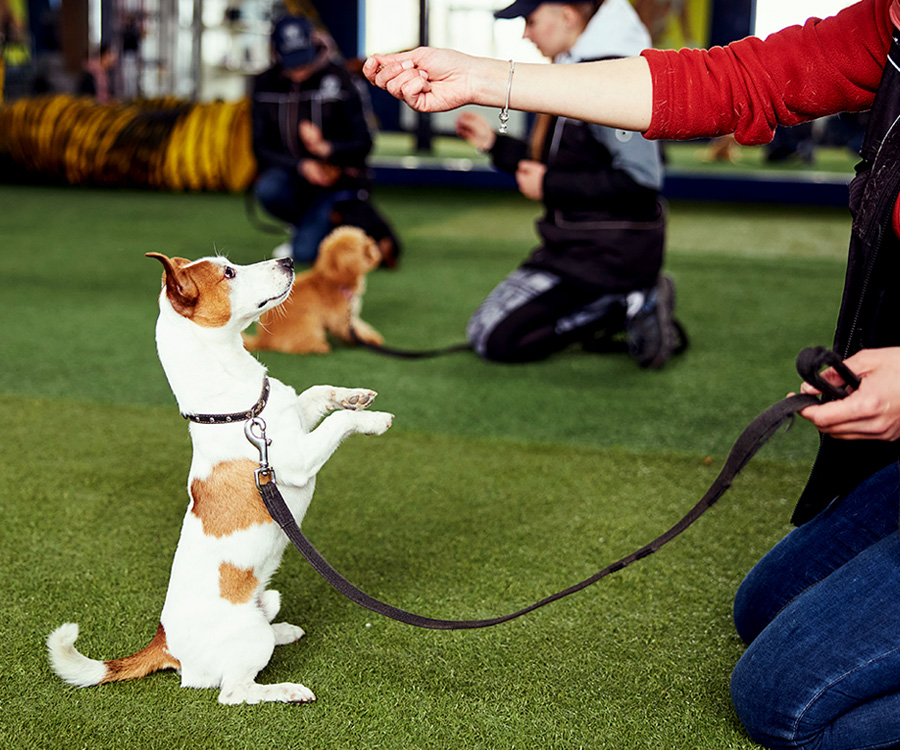
To mingle a dog go effectively, progressively subject it to various settings, individuals, and various other pets. Use favorable support to motivate tranquil behavior, ensuring experiences are risk-free and Continue pleasurable to construct self-confidence and minimize anxiety.
Efficient dog training is vital for fostering a healthy connection between proprietor and animal. Recognizing a dog's behavior is important for efficient training and promoting a strong bond in between the pet and proprietor. Educating a dog to adhere to fundamental commands is an essential aspect of accountable family pet ownership that directly affects a dog's actions and the proprietor's ability to connect properly. Educating a dog normally takes several weeks to months, depending on the dog's age, type, and the intricacy of the commands. To socialize a dog properly, gradually reveal it to various settings, individuals, and various other dogs.